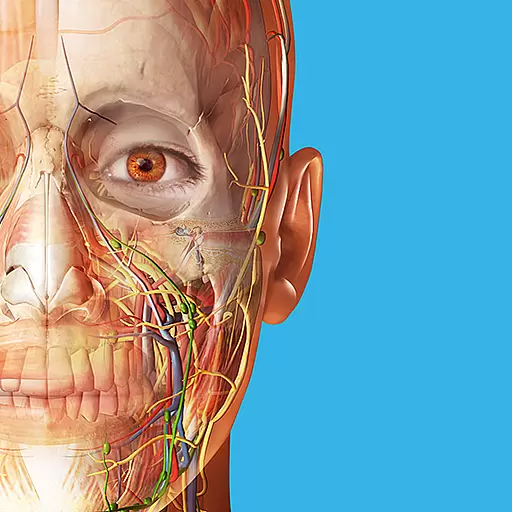
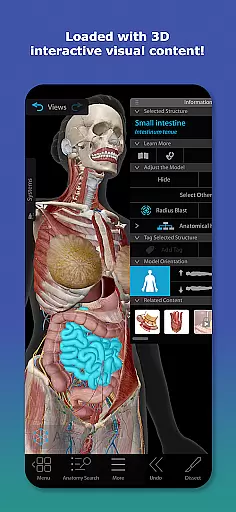
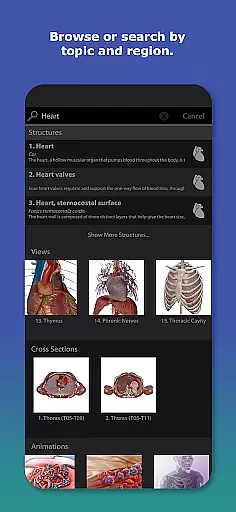
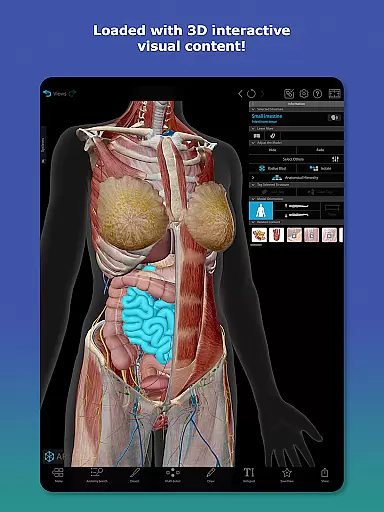
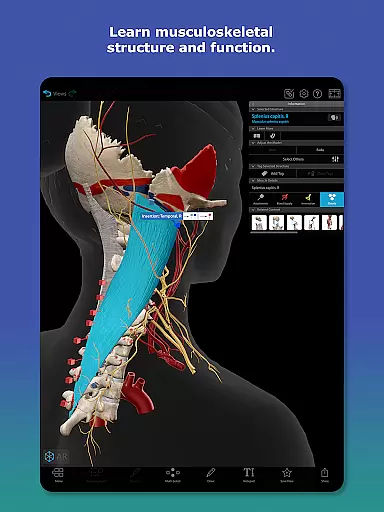
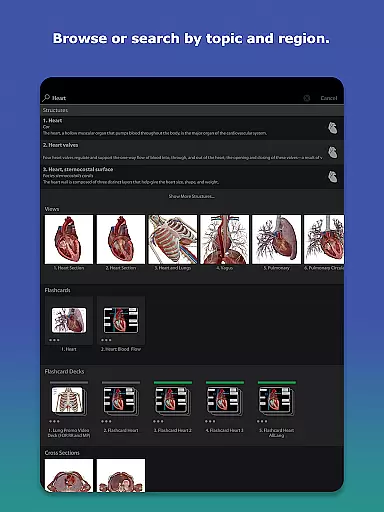
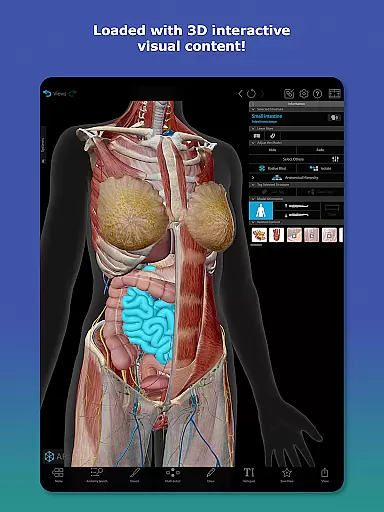
Human Anatomy Atlas 2026 is a comprehensive medical education app that provides an interactive 3D experience for studying human anatomy. This application offers detailed 3D models of both male and female anatomy, including gross anatomy structures, select microanatomy models, and animations. Medical students, educators, and healthcare professionals can explore complex anatomical structures with ease through this app.
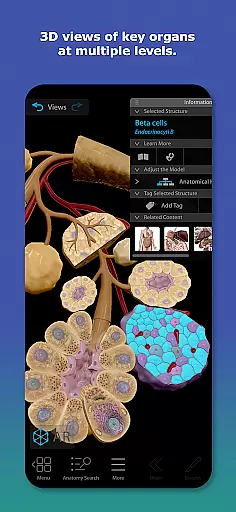
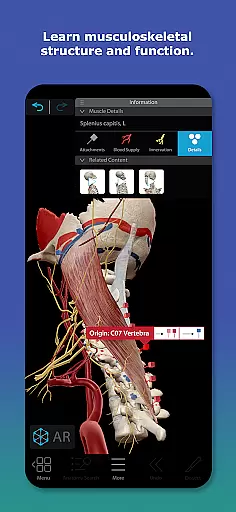
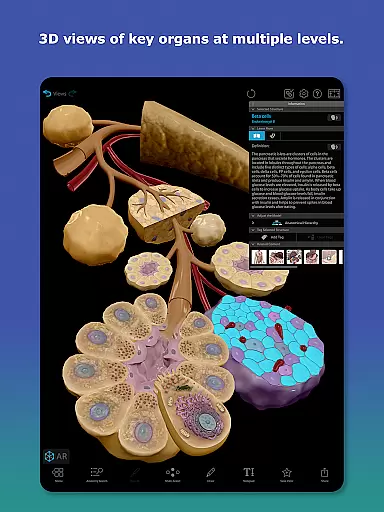
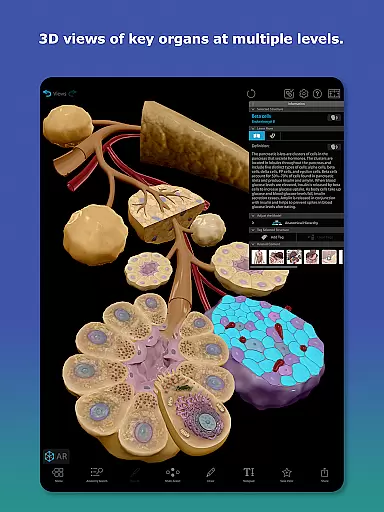
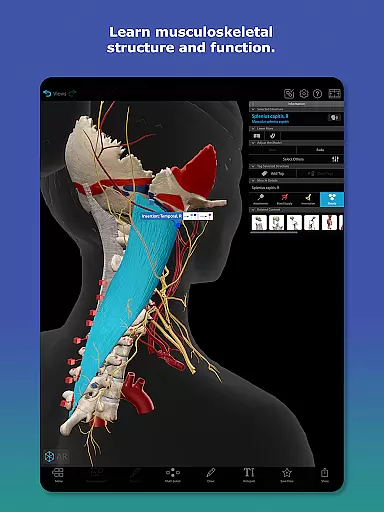
The app's extensive library includes detailed views of key organs at multiple levels, muscle actions, bone landmarks, attachments, innervations, and blood supply. It also features fascia models that demonstrate how muscles are divided into compartments in the limbs. With additional in-app purchases, users can access physiology animations and dental content, making it a versatile tool for anatomy studies.
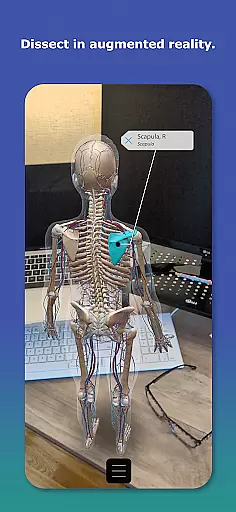
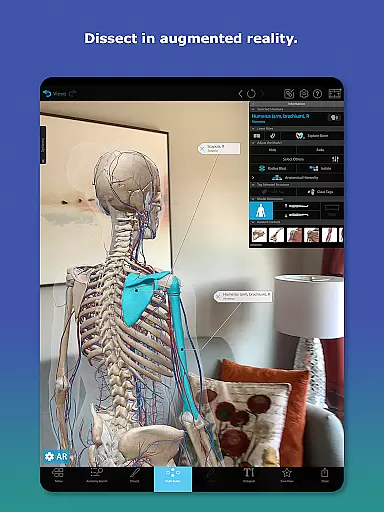
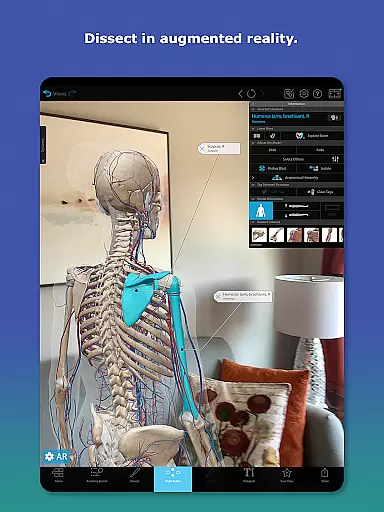
One practical use case is during medical lectures or lab sessions where instructors can create interactive presentations using the app's annotation tools. They can label structures with tags, notes, and 3D drawings, providing a dynamic learning environment for students. The ability to dissect models on screen or in augmented reality enhances the understanding of spatial relationships between different anatomical structures.
Human Anatomy Atlas 2026 stands out with its rich set of features designed specifically for medical education. The app provides full 3D models of the human body, allowing users to study gross anatomy alongside cadaver and diagnostic images. These models include detailed representations of organs such as lungs, bronchi, alveoli, kidneys, renal pyramids, and nephrons, offering a deep dive into their structure and function.
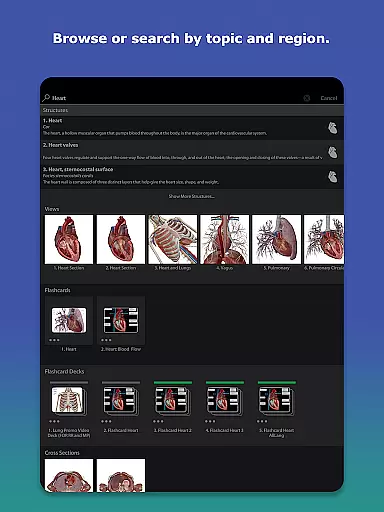
A unique feature is the ability to view muscle and bone models in motion, which helps users understand muscle actions, bone landmarks, attachments, innervations, and blood supply. Fascia models further enhance this by showing how muscles are compartmentalized in the upper and lower limbs. The app also supports augmented reality (AR) dissections and cross-sectional views, enabling users to explore anatomy from various perspectives.
Additional tools include 3D dissection quizzes to test knowledge and track progress, along with interactive presentation capabilities. Users can create presentations that link sets of models to explain topics comprehensively. Annotation tools like tags, notes, and 3D drawings allow for detailed explanations and reviews, making it an invaluable resource for both self-study and classroom teaching.
When it comes to medical education tools, the credibility of content is paramount. Human Anatomy Atlas 2026 ensures that all its 3D models and animations are meticulously reviewed by experts in the field. This guarantees that users are learning from accurate and reliable information.
The app provides detailed 3D models of both male and female anatomy, complete with microanatomy structures. These models have been developed under the guidance of medical professionals to ensure they meet educational standards and offer a trustworthy learning resource for students and educators alike.
Moreover, additional in-app purchases such as physiology animations and dental content undergo the same rigorous expert review process. This dedication to quality ensures that every piece of content within the app upholds the highest standards of medical accuracy and educational value.
While Human Anatomy Atlas 2026 does not directly provide teleconsultation services, it significantly enhances the quality of remote medical education and consultations. By offering high-quality 3D models and animations, the app allows healthcare professionals to explain complex anatomical concepts to patients or students with clarity.
The interactive nature of the 3D models enables users to dissect and explore anatomy in augmented reality (AR), making remote learning more engaging. This feature is particularly useful during teleconsultations where visual aids can greatly improve understanding and retention of information.
Additionally, the ability to create interactive presentations with labeled structures supports effective communication between healthcare providers and their audience. Whether used for patient education or remote teaching, these tools ensure that teleconsultations are informative and impactful.
User-friendly interface
Comprehensive 3D models
Augmented reality support
Interactive quizzes
Annotation tools
Additional in-app purchases
High system requirements
Limited free content
No offline mode
Complex navigation

Spruce is the leading platform for HIPAA-compliant communication and care.
 4.90
4.90
Identify pills, search different drugs, get drug information and much more!
4.50
Check and Track your Blood Pressure & Heart Rate.
4.50
An easy way to earn money donating plasma. Book a visit, sit back, and get paid.
3.80
Crush your paramedic exam with NREMT-style tests, ECGs, and top-tier prep!
3.90
The official DSM-5-TR® app
4.50
Voice pitch monitor for speech therapy, LSVT, Parkinson's, singing & trans
4.30
Update medical records, view upcoming appointments, message your provider & more
3.80
Manage your healthcare through the FollowMyHealth® Universal Health Record.
4.80
Manage your prescriptions and pharmacy care anytime, anywhere.
4.80
Discover the source of pain with Muscle Trigger Point Anatomy.
4.70
Secure video visits with your VA care team from anywhere
4.50
Radiographic Positioning Guide for Medical Imaging Professionals and Students
4.50
Internal medicine literature at your fingertips.
4.50
Manage your health care in one easy place
4.40
Molina Members: My Molina. Manage your health anytime, anywhere!
4.30
Hearing aid app for Android solves your hearing problems.
4.00
A fantastic 3d reference that includes over 300 structures and a quiz function.
3.00
A scientifically-proven method to help people with dementia or memory impairment
4.2


User Reviews